
Male Infertility Treatment in Gurgaon
Helping couples overcome male fertility challenges with advanced reproductive care, from low sperm count and azoospermia to varicocele, IVF and ICSI.
Book Your Consultation
Share your details for confidential, personalised guidance.
Personalised Diagnosis & Treatment for Male Fertility Problems
Minimally invasive, patient-focused surgical care
Male infertility is a common reproductive health condition that can affect a man’s ability to contribute to conception. It is estimated to contribute to nearly half of all infertility cases among couples trying to achieve pregnancy. Conditions such as low sperm count, poor sperm motility, abnormal sperm morphology, hormonal imbalance, varicocele and reproductive tract disorders can significantly affect male fertility.
At Motherhood Fertility & IVF Centre, Gurgaon, Dr. Meenu Handa and her team provide comprehensive male infertility treatment with advanced fertility evaluation, personalised treatment planning and evidence-based reproductive care.
As a trusted male fertility specialist in Gurgaon, she offers advanced treatments including semen analysis, hormonal assessment, IVF, ICSI and fertility preservation to help couples improve their chances of successful conception and parenthood.
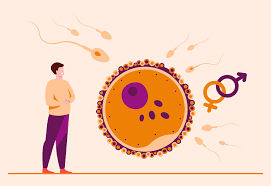
What is Male Infertility
15+ Years of Neurosurgical Excellence
Male infertility refers to a condition in which a man experiences reduced fertility due to problems affecting sperm production, sperm function, sperm transport, or overall reproductive health.
Male infertility may occur due to:
- Low sperm count (Oligospermia)
- Poor sperm motility (Asthenozoospermia)
- Abnormal sperm morphology (Teratozoospermia)
- Absence of sperm in semen (Azoospermia)
- Hormonal imbalance
- Varicocele
- Genetic abnormalities
- Reproductive tract obstruction
With advancements in reproductive medicine and assisted reproductive technologies, many cases of male infertility can now be successfully diagnosed and treated.
Symptoms of Male Infertility
Many men may not notice obvious symptoms apart from difficulty conceiving. When present, symptoms may include:
Difficulty achieving pregnancy
Erectile dysfunction
Reduced sexual desire
Pain or swelling in the testicular region
Ejaculation problems
Reduced facial or body hair growth
Common Causes of Male Infertility
Male infertility can occur due to medical, hormonal, genetic and lifestyle factors.
Low Sperm Count
A reduced sperm count can lower the chances of successful fertilisation. It is one of the most common causes of male infertility and is identified through semen analysis.
Poor Sperm Motility
Reduced sperm movement can make it difficult for sperm to reach and fertilise the egg, affecting natural conception.
Abnormal Sperm Morphology
An abnormal sperm shape may affect fertilisation and embryo development, reducing the chances of pregnancy.
Azoospermia
The absence of sperm in semen, due to sperm production problems or reproductive tract blockage. Surgical retrieval combined with ICSI can still offer hope in many cases.
High DNA Fragmentation
Poor sperm DNA quality may affect embryo quality and pregnancy outcomes, and is assessed with specialised testing such as the DNA Fragmentation Index.
Varicocele
Enlarged veins within the scrotum can negatively affect sperm production and sperm quality. Treatment may improve outcomes in selected cases.
Hormonal Imbalance
Hormonal disorders may interfere with sperm production and male reproductive health, and can often be managed with hormonal therapy.
Lifestyle & Health
Smoking, obesity, diabetes, stress, alcohol, poor diet and exposure to environmental toxins may affect sperm health and fertility potential.
Genetic Disorders
Certain genetic conditions or reproductive tract abnormalities may contribute to male fertility problems and may need specialised evaluation.
Male Infertility Diagnosis
A detailed male infertility evaluation helps identify the underlying cause and determine the most appropriate treatment approach. Advanced fertility testing and reproductive diagnostics guide personalised treatment planning.
Semen analysis
Sperm count test
Hormonal blood tests
Scrotal ultrasound
Genetic testing
Testicular function evaluation
Advanced Male Fertility Treatment Options
Minimally invasive, patient-focused surgical care
Dr. Meenu Handa provides personalised Male Fertility Treatment Options based on the patient’s fertility condition, reproductive goals, and overall health.
Lifestyle Modification and Sperm Quality Improvement
Lifestyle optimisation may help improve sperm health and fertility potential through:
- Weight management
- Smoking cessation
- Stress reduction
- Nutritional support
- Regular exercise and sleep improvement
Hormonal Therapy for Male Infertility
Hormonal management may be recommended for selected men with testosterone imbalance or endocrine disorders.
Varicocele Treatment
Treatment for varicocele may help improve sperm production and semen quality in selected cases.
Male Infertility Surgery
Surgical treatment may be recommended for reproductive tract obstruction or varicocele in selected patients.
IVF for Male Infertility
IVF may be recommended for severe male infertility, azoospermia, recurrent fertilisation failure, or significant sperm abnormalities.
ICSI Treatment for Male Factor Infertility
ICSI involves injecting a single healthy sperm directly into the egg to improve fertilisation success and pregnancy outcomes in severe male infertility cases.
Male Infertility Treatment Success Rate
Minimally invasive, patient-focused surgical care
The success rate of male infertility treatment in Gurgaon depends on several factors, including the underlying fertility condition, sperm quality and count, the female partner’s age and reproductive health, the duration of infertility, lifestyle factors and the type of treatment recommended.
With advancements in reproductive medicine, andrology, IVF, ICSI and fertility diagnostics, many couples experiencing male factor infertility can achieve successful pregnancy outcomes.
How to Improve Male Fertility Naturally
Certain lifestyle changes may help support sperm health and improve fertility potential.