
Fertility Monitoring
Periodic AMH testing, ultrasound, hormonal assessment and counselling to monitor ovarian function over time.
A woman’s fertility naturally changes with age, but for some the number or quality of eggs may decline earlier than expected. Dr. Meenu Handa offers comprehensive evaluation and personalised fertility care for low AMH, low ovarian reserve and premature ovarian insufficiency (POI).
Share your details for a personalised ovarian reserve assessment.
Minimally invasive, patient-focused surgical care
A woman's fertility naturally changes with age, but for some, the number or quality of eggs may decline earlier than expected. Conditions affecting the ovarian reserve can make it more difficult to conceive and may require specialised fertility evaluation and treatment.
If you have been trying to conceive without success, have irregular periods, a low AMH level, a family history of early menopause, or simply want to understand your fertility potential, an assessment of your ovarian reserve can provide valuable insights.
Dr. Meenu Handa, Director – Fertility & IVF at Motherhood Hospital, Gurgaon, offers comprehensive evaluation and personalised fertility care for women with ovarian reserve disorders in Gurgaon. Using advanced diagnostic techniques and evidence-based fertility treatments, she helps women understand their reproductive health and make informed decisions about family planning.
Whether you are planning pregnancy now or considering fertility preservation for the future, early diagnosis can help you explore a wider range of treatment options.
15+ Years of Neurosurgical Excellence
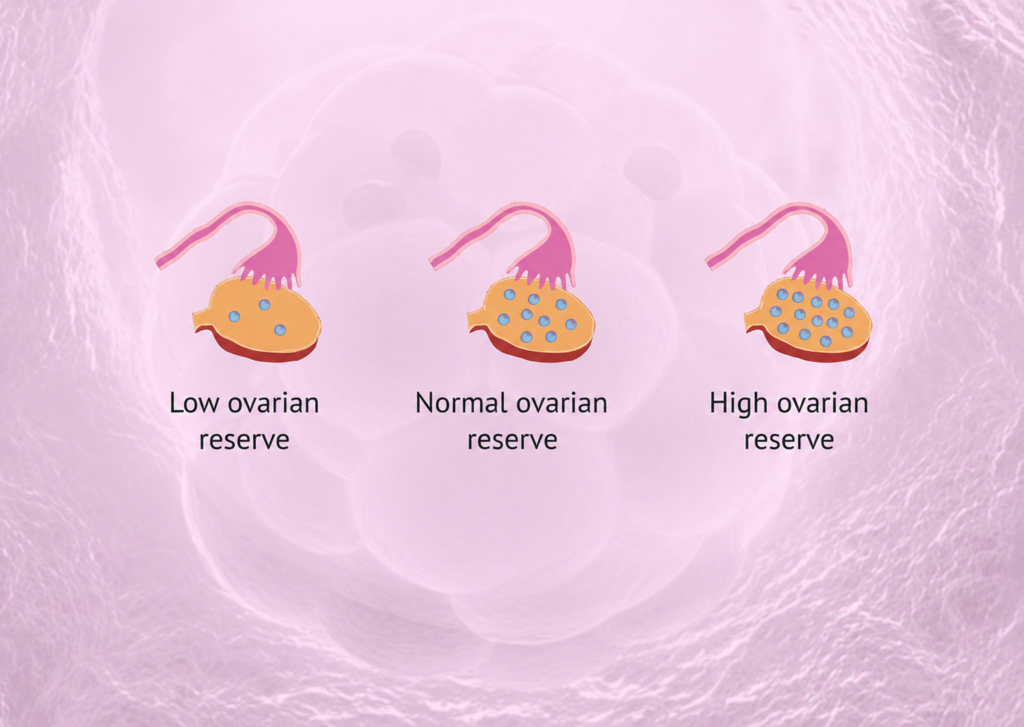
Ovarian reserve refers to the number and quality of eggs remaining in a woman's ovaries. Every woman is born with a fixed number of eggs, which gradually decrease over time as part of the natural ageing process.
Ovarian reserve disorders occur when the egg supply or ovarian function declines earlier or more significantly than expected. These conditions can affect fertility and may require specialised reproductive care.
Common ovarian reserve disorders include:
Although these conditions can impact fertility, many women successfully conceive naturally or with fertility treatment depending on their age and overall reproductive health.
Minimally invasive, patient-focused surgical care
One of the most common misconceptions is that ovarian reserve and fertility mean the same thing. While they are closely related, they are not identical.
Ovarian reserve refers to the number of eggs remaining in the ovaries, whereas fertility depends on several factors working together, including:
✔ Age and egg quality.
✔ Regular ovulation.
✔ Uterine and fallopian tube health.
✔ Hormonal balance.
✔ Sperm health.
✔ Overall reproductive wellbeing.
A reduced ovarian reserve or low AMH level does not automatically mean that pregnancy is impossible. Many women with low ovarian reserve conceive naturally, while others may benefit from personalised fertility treatments depending on their individual circumstances.
Understanding the difference between ovarian reserve and overall fertility helps women make informed reproductive decisions and seek timely specialist care when needed.
Low Ovarian Reserve and Low AMH
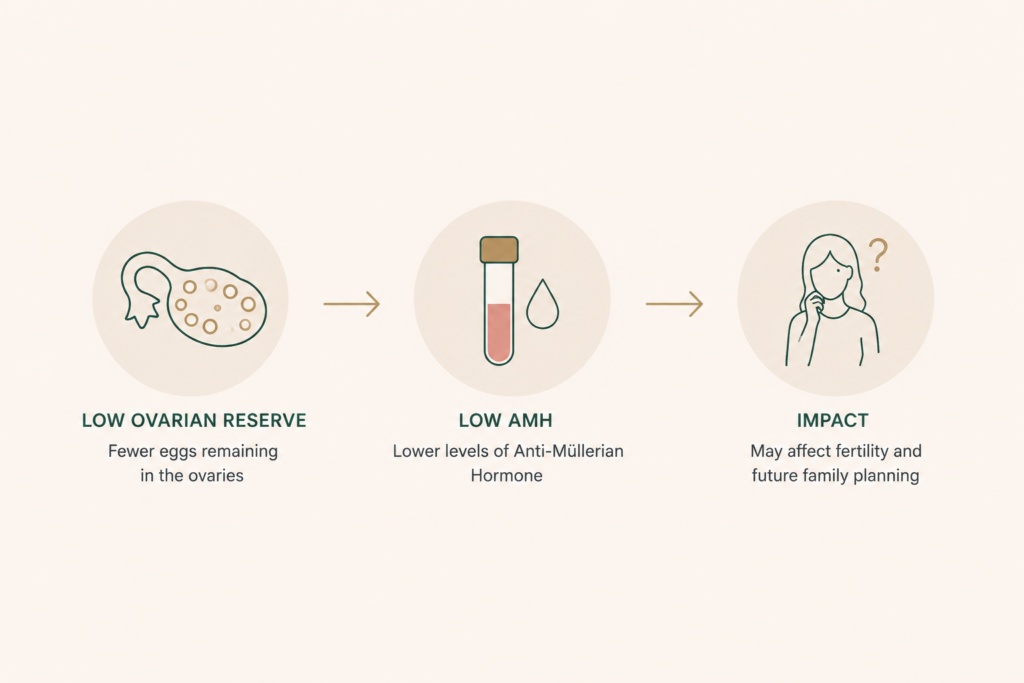
Low ovarian reserve means that the number of available eggs is lower than expected for a woman's age.
One of the most commonly used tests to assess ovarian reserve is the Anti-Müllerian Hormone (AMH) test. Lower AMH levels may suggest a reduced egg supply, but they do not necessarily determine a woman's ability to conceive.
Many women with low AMH become pregnant naturally or with fertility treatment. Early diagnosis allows fertility specialists to develop personalised treatment strategies based on age, reproductive goals, and overall fertility health.
Premature Ovarian Insufficiency is a condition in which ovarian function declines before the age of 40.
Women with POI may experience irregular periods, missed menstrual cycles, menopausal symptoms, and difficulty conceiving.
Early diagnosis allows women to understand their reproductive options and fertility preservation opportunities.
Minimally invasive, patient-focused surgical care
Many women confuse Low AMH and Premature Ovarian Insufficiency (POI) because both conditions affect ovarian reserve and fertility. However, they are not the same.
Low AMH indicates a reduced egg reserve, whereas POI involves a significant decline in ovarian function before the age of 40.
|
Low AMH |
Premature Ovarian Insufficiency (POI) |
|
Reduced egg reserve |
Loss of ovarian function before age 40 |
|
Periods may remain regular |
Periods often become irregular or absent |
|
Ovulation may still occur |
Ovulation becomes infrequent or stops |
|
Pregnancy may still occur naturally |
Fertility may be significantly reduced |
|
Often identified through AMH testing |
Diagnosed through hormone testing and clinical symptoms |
|
May require fertility planning |
Often requires specialised fertility counselling and treatment |
It is important to remember that a diagnosis of Low AMH or Premature Ovarian Insufficiency does not automatically mean pregnancy is impossible. Many women achieve successful pregnancies naturally or with fertility treatment depending on their age, ovarian function, and overall reproductive health.
A comprehensive fertility evaluation by an experienced Ovarian Reserve Specialist in Gurgaon can help determine the most appropriate fertility options and reproductive planning strategy.
Several factors can affect ovarian reserve.
Age is the most common factor influencing ovarian reserve. Egg quantity and quality naturally decline over time.
Women with a family history of early menopause or POI may have a higher risk of reduced ovarian reserve.
Endometriosis and ovarian cysts may affect ovarian function and fertility.
Previous surgery involving the ovaries can influence the remaining egg reserve.
Chemotherapy and radiation therapy may reduce ovarian function.
Certain medical conditions can contribute to early ovarian decline.
A fertility assessment may be beneficial if you:
✔ Are under 35 and have been trying to conceive for one year.
✔ Are over 35 and have been trying for six months.
✔ Have irregular or absent periods.
✔ Have low AMH levels.
✔ Have endometriosis.
✔ Have undergone ovarian surgery.
✔ Have a family history of early menopause.
✔ Have experienced recurrent pregnancy loss.
✔ Have had unsuccessful IVF treatment.
✔ Want to understand your fertility potential before delaying pregnancy.
Early evaluation does not necessarily mean treatment is required. It provides valuable information that can help guide future reproductive decisions.
A comprehensive ovarian reserve assessment helps evaluate both egg quantity and reproductive potential. Dr. Meenu Handa carefully assesses multiple factors rather than relying on a single test. Evaluation may include:
Treatment recommendations vary from one woman to another. Some may simply require monitoring and fertility counselling, while others may benefit from assisted reproductive treatments.
Periodic AMH testing, ultrasound, hormonal assessment and counselling to monitor ovarian function over time.

Healthy weight, balanced diet, regular exercise, avoiding smoking and managing stress to support reproductive wellbeing.

Where ovulation-related issues co-exist, medication may be recommended to support regular ovulation.
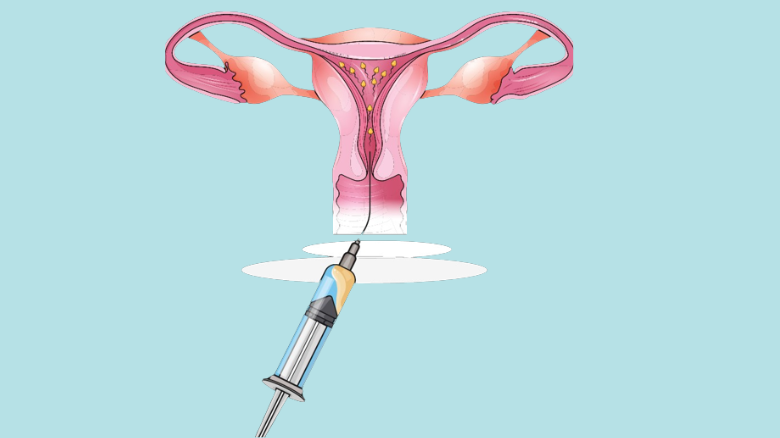
Intrauterine insemination may be considered in selected cases based on age, ovarian reserve and other factors.
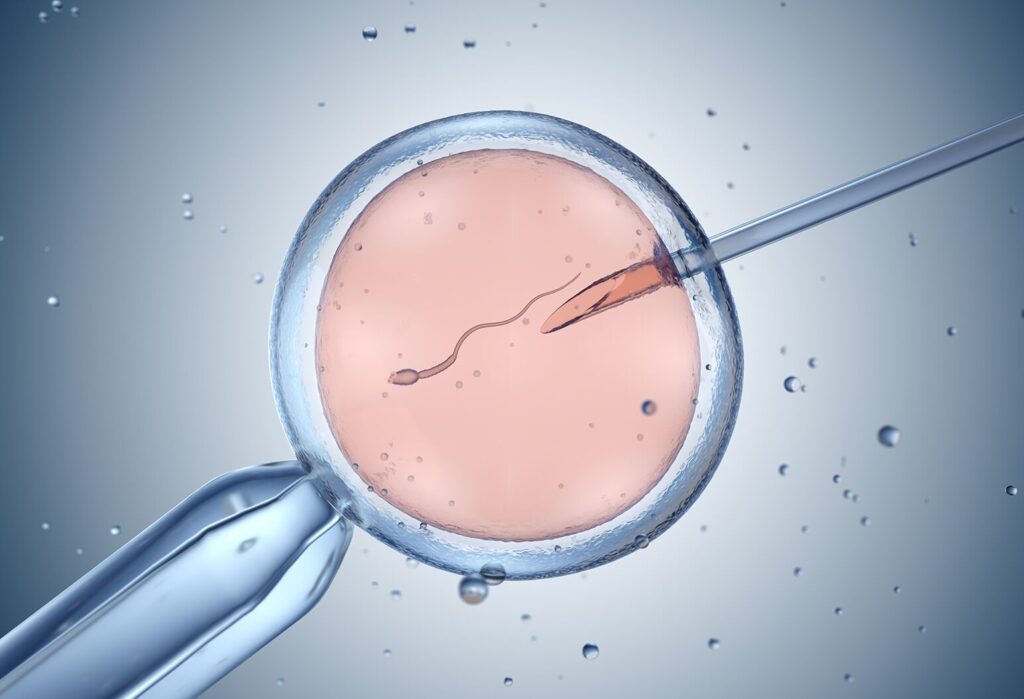
Personalised IVF protocols may be recommended for reduced ovarian reserve or additional fertility concerns.
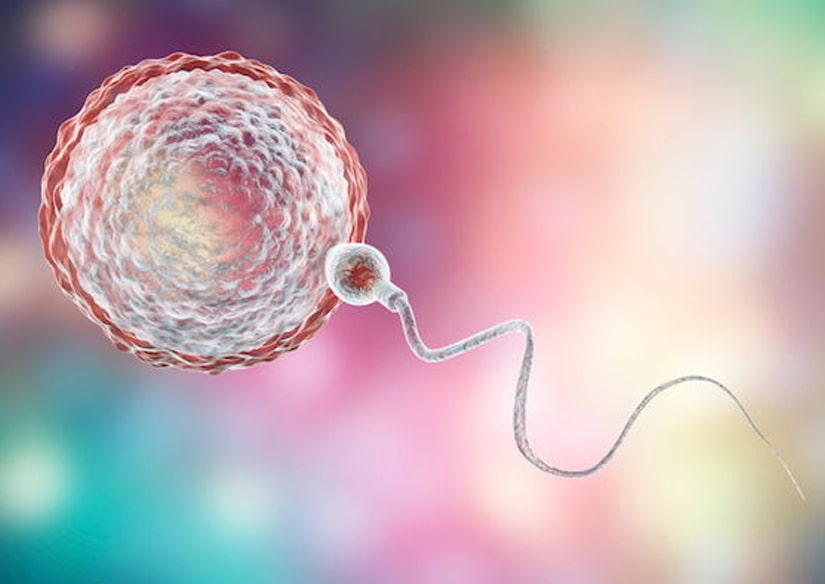
For significantly reduced ovarian function, donor egg IVF may be discussed as one of several available options.
Minimally invasive, patient-focused surgical care
One of the first questions women ask after receiving this diagnosis is:
"Can I still become pregnant?"
In many cases, the answer is yes.
Having reduced ovarian reserve or low AMH does not automatically mean infertility. Many women conceive naturally, while others achieve pregnancy with fertility treatment.
The likelihood depends on age, egg quality, ovulation, uterine health, fallopian tube function, male fertility and overall reproductive health.
Seeking fertility advice early can help identify the most appropriate options and avoid unnecessary delays in treatment.
Minimally invasive, patient-focused surgical care
One of the most important aspects of ovarian reserve disorders is early detection.
Many women do not experience obvious symptoms until they begin trying to conceive. By that stage, valuable reproductive time may have already been lost.
Early ovarian reserve assessment can:
✔ Identify fertility concerns sooner
✔ Support informed family planning decisions
✔ Expand fertility treatment options
✔ Improve fertility preservation opportunities
✔ Reduce delays in seeking specialist care
Understanding your ovarian reserve today can help you make more confident reproductive decisions for the future.
Choosing the right fertility specialist is essential when navigating complex reproductive health concerns. Dr. Meenu Handa combines over two decades of fertility expertise with a personalised and compassionate approach to women's reproductive healthcare.
Everything you need to know before your consultation
AMH levels usually decline with age and may not significantly increase. However, low AMH does not mean pregnancy is impossible, and many women conceive naturally or with fertility treatment.
Egg freezing may be considered for women who wish to preserve their fertility, especially if pregnancy is being delayed. A fertility assessment can help determine if it is the right option.
AMH levels vary according to age and individual fertility factors. Interpretation should always be performed alongside ultrasound findings and fertility assessment.
No. Many women with low AMH conceive naturally or with fertility treatment. AMH is only one factor influencing fertility.
Yes. Pregnancy is possible for many women with low ovarian reserve depending on age, egg quality, ovulation, and overall reproductive health.
Treatment depends on age, ovarian reserve, and fertility goals. Options may include fertility monitoring, ovulation induction, IVF, or fertility preservation based on individual needs.