
PCOS Treatment in Gurgaon
Book Free Screening
Connect with our specialists for personalised guidance
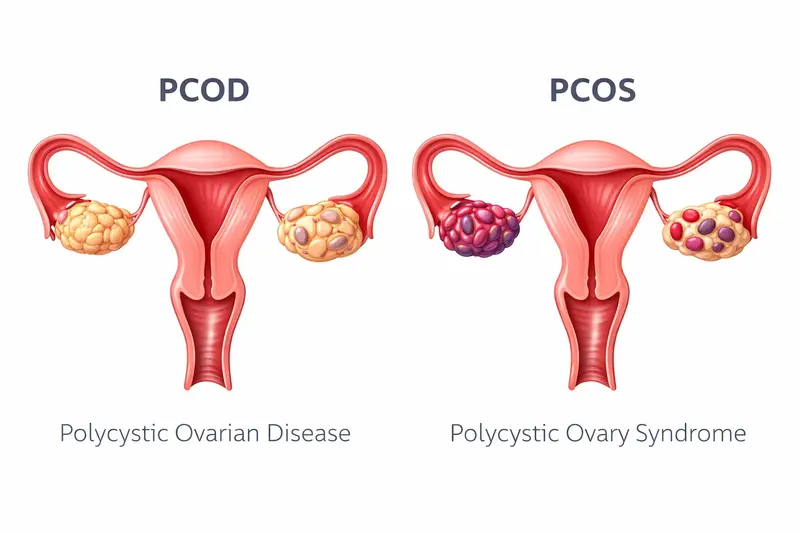
What is PCOS, and How is it Different from PCOD?
15+ Years of Neurosurgical Excellence
Polycystic Ovary Syndrome (PCOS) is a hormonal and metabolic condition affecting roughly 1 in 5 women of reproductive age in India. It disrupts the normal balance of reproductive hormones, particularly by elevating androgens, which interferes with ovulation, menstrual regularity and fertility. Despite its name, not every woman with PCOS has visible cysts; the syndrome is defined by a cluster of hormonal and clinical features rather than ovarian appearance alone.
Left unmanaged, PCOS carries long-term health implications beyond fertility: a significantly increased risk of type 2 diabetes, cardiovascular disease, high blood pressure and endometrial changes. This is why proper diagnosis and ongoing care matter far beyond the question of pregnancy.
Rotterdam Diagnostic Criteria
Minimally invasive, patient-focused surgical care
PCOS is formally diagnosed when a woman has at least 2 of these 3 features:
- Irregular or absent ovulation (oligo-anovulation)
- Clinical or biochemical signs of excess androgen (hirsutism, acne, raised testosterone)
- Polycystic-appearing ovaries on ultrasound (≥12 follicles, or ovarian volume >10 ml)
Other causes of hyperandrogenism and ovulatory dysfunction must be excluded before a PCOS diagnosis is confirmed.
Symptoms of PCOS in Women
PCOS presents differently in every woman. Some experience a cluster of symptoms from adolescence; others notice changes only when trying to conceive. These symptoms arise primarily from hormonal imbalance and insulin resistance.
Irregular periods
Cycles longer than 35 days, fewer than 8 a year, or complete absence of periods are among the most common signs.
Weight gain
Insulin resistance causes the body to store fat around the abdomen, making weight management harder than usual.
Acne & oily skin
Elevated androgens increase sebum, causing persistent acne on the jawline, chin and back.
Excess hair (hirsutism)
Coarse hair on the face, chest, or abdomen affects around 70% of women with PCOS, driven by androgen excess.
Scalp hair thinning
Androgenic alopecia can cause thinning at the crown or temples.
Difficulty conceiving
Irregular or absent ovulation makes PCOS one of the leading causes of female infertility in India.
Mood changes & fatigue
Women with PCOS have higher rates of anxiety and depression, linked to hormonal fluctuations and insulin resistance.
Dark skin patches
Acanthosis nigricans, darkened velvety patches on the neck or armpits, is a skin marker of insulin resistance.